
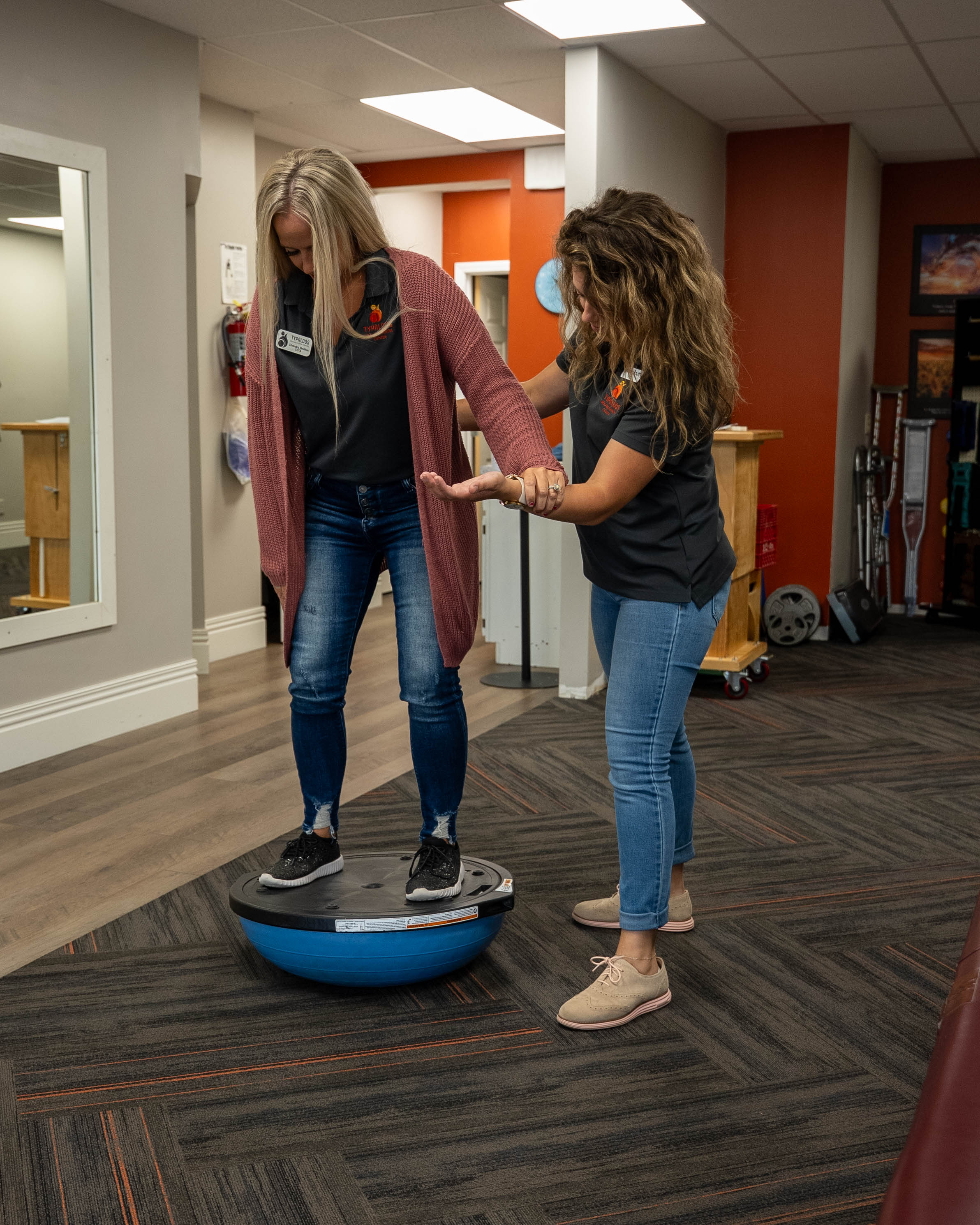
In a town like Nixa, where people work hard, stay active, and value independence, living with pain can feel like an unwanted guest that overstays its welcome.
Whether it’s the low back pain that flares up during yard work, the neck tension from sitting at a desk too long, or aching joints after running errands — you’ve probably thought to yourself:
“It’s not bad enough to go to physical therapy... right?”
But here’s the truth: You don’t have to wait until you’re in serious pain to start feeling better.
Even small, science-backed changes to how you sit, stand, or move throughout the day can make a noticeable difference — and may even prevent bigger problems down the road.
In this post, we’ll cover three small changes recommended by licensed physical therapists that can help reduce everyday pain — starting today. These tips are:
• Easy to implement
• Backed by clinical research
• Proven to reduce pain and improve mobility
And if you're still on the fence about seeing a PT, this could be the perfect first step.
If you’ve ever caught yourself slouching at your desk or slumped on the couch, you’re not alone. But most people misunderstand what “good posture” actually means.
Contrary to popular belief, perfectly upright posture 100% of the time isn’t necessary — or realistic. The problem isn't slouching once — it's slouching for hours at a time.
Why This Matters:
Most people in Nixa spend several hours a day sitting — whether working from home, commuting to Springfield, or watching a game on the weekend. Prolonged poor sitting posture can lead to:
• Lower back pain
• Neck stiffness
• Shoulder tension
• Headaches
What Physical Therapy Recommends:
Instead of obsessing over a “perfect” posture, think in terms of “dynamic posture.” That means frequent, small adjustments throughout the day that keep your muscles and joints engaged — not stuck.
Try This Today:
1 Set a 30-minute movement timer
Every 30 minutes, stand up, stretch, or walk for 1–2 minutes. Even just adjusting your seated position counts.
2 Support your low back
Use a small lumbar roll (or even a rolled-up towel) behind your lower back. This keeps the spine in a more neutral position and reduces strain.
3 Elevate your screen
Looking down at a laptop all day puts stress on your neck. Raise your screen so your eyes are level with the top third of the monitor.
4 Feet flat, hips level
Sit with your feet flat on the floor, knees at 90 degrees, and hips slightly higher than knees if possible.
Pro Tip:
If you’re using a recliner or couch for long periods, place a firm cushion behind your low back. This small tweak can reduce back and neck pain significantly over time.
When pain flares up — especially in the low back or knees — many people think the solution is to “take it easy” and rest as much as possible.
But physical therapists across the country (and here in Nixa) say the opposite: gentle, intentional movement is often more effective for pain relief than rest alone.
Why It Works:
Pain tends to make us avoid movement, which can lead to:
• Muscle deconditioning
• Joint stiffness
• Worse posture habits
• Increased pain sensitivity
The body thrives on circulation and movement. Muscles and joints need to move to stay healthy, even when you’re hurting.
The Movement-Pain Connection:
A 2020 study in the Journal of Orthopaedic & Sports Physical Therapy found that light daily movement can reduce chronic pain symptoms by up to 35% over just 2 weeks — even in patients who hadn’t done formal therapy.
Try This Today:
1 Gentle morning mobility routine (5 minutes):
◦ Cat-Cow stretch (10 reps)
◦ Hip hinges or standing forward bends
◦ Arm circles or doorway pec stretch
◦ Ankle circles and heel raises
2 Go for a 10-minute walk after meals
◦ This aids digestion, lubricates joints, and boosts mood.
◦ Focus on natural posture — don’t carry your phone the whole time.
3 Use pain as a guide, not a stop sign
◦ Mild discomfort during movement is normal — sharp or shooting pain is not.
◦ The goal is to move within your comfortable limits, not to push through agony.
What About Standing Desks?
Alternating between sitting and standing while working can reduce spinal compression and promote movement. If you try a standing desk, start with 15–20 minutes per hour, then gradually increase.
Your body does its most important repair work while you sleep — but a bad sleep position or poor mattress can undo a lot of progress.
You may not think about your spine at night, but sleep misalignment can cause:
• Morning stiffness
• Neck or shoulder pain
• Tingling in arms or legs
• Poor quality sleep (which heightens pain sensitivity)
What Physical Therapists See Often:
Many patients with chronic neck or low back pain report worse symptoms first thing in the morning — a red flag that their sleep setup is working against them.
Try This Tonight:
1 Side sleepers: Add a pillow between your knees
This helps keep the hips and spine aligned, reducing lower back strain.
2 Back sleepers: Use a low-profile neck pillow
Avoid thick pillows that push your head forward. Your neck should stay in line with your spine.
3 Avoid stomach sleeping
This position forces your head to one side and overarches the lower back. If you can’t stop, try placing a pillow under your pelvis to reduce strain.
4 Check your mattress age
Most mattresses lose support after 7–10 years. If you wake up in more pain than you went to sleep with, it might be time for a new one.
5 Practice a short “bedtime decompression” stretch
◦ Lie on your back with feet flat and knees bent
◦ Gently rock knees side to side
◦ Take 5–10 slow, deep belly breaths
This calms the nervous system and helps muscles relax — leading to better sleep and less pain.
These three small changes — posture, daily movement, and sleep setup — can make a big difference, especially when pain is still manageable. But sometimes, pain sticks around or keeps coming back despite your best efforts.
That’s where physical therapy shines.
What PT Can Offer That Google Can’t:
• Personalized movement plans tailored to your body and goals
• Hands-on techniques to reduce muscle and joint restrictions
• Strength training for stability and long-term relief
• Education about movement patterns, posture, and pain science
• Accountability and progress tracking
A good physical therapist won’t just treat the symptoms — they’ll help you understand the root cause and give you the tools to manage or even eliminate the pain for good.
If you live in Nixa or the surrounding area, you’re probably surrounded by folks who have “just dealt with it” for years — pain in the knees, back, neck, or shoulders.
But you don’t have to live like that.
And you don’t have to be in extreme pain to benefit from physical therapy. In fact, early intervention often leads to:
• Faster recovery
• Fewer sessions needed
• Lower overall healthcare costs
Not sure if physical therapy is right for you? We offer free, no-pressure pain screenings right here in Nixa — no referral required.
Includes:
• 1-on-1 consult with a licensed physical therapist
• Movement assessment
• Risk factor identification
• Personalized next-step recommendations
📅 Appointments take just 20 minutes
📍 Convenient Nixa location
You don’t have to flip your life upside down to start feeling better. These three small changes — all backed by physical therapy research — can help you:
• Sit smarter
• Move more intentionally
• Sleep better
… and ultimately, live with less pain and more freedom.
But if your pain keeps nagging, or you're ready for expert guidance, physical therapy in Nixa is here to help.
Because no one deserves to “just live with it.”


Specializing in Quality Health Care
© 2025 Typaldos Rehabilitation Center. All Rights Reserved.
Typaldos Physical Therapy and Rehabilitation Center does not discriminate on the basis of race, color, national origin, disability, or age.