
Cold weather often leads to increased muscle and joint stiffness due to reduced blood flow and thicker joint fluid. This blog explains how colder temperatures impact the body and offers practical tips—like stretching, gentle movement, and mobility work—to stay limber all season. With guidance from Typaldos Physical Therapy, you can prevent discomfort, improve circulation, and keep your body moving comfortably through the winter months.
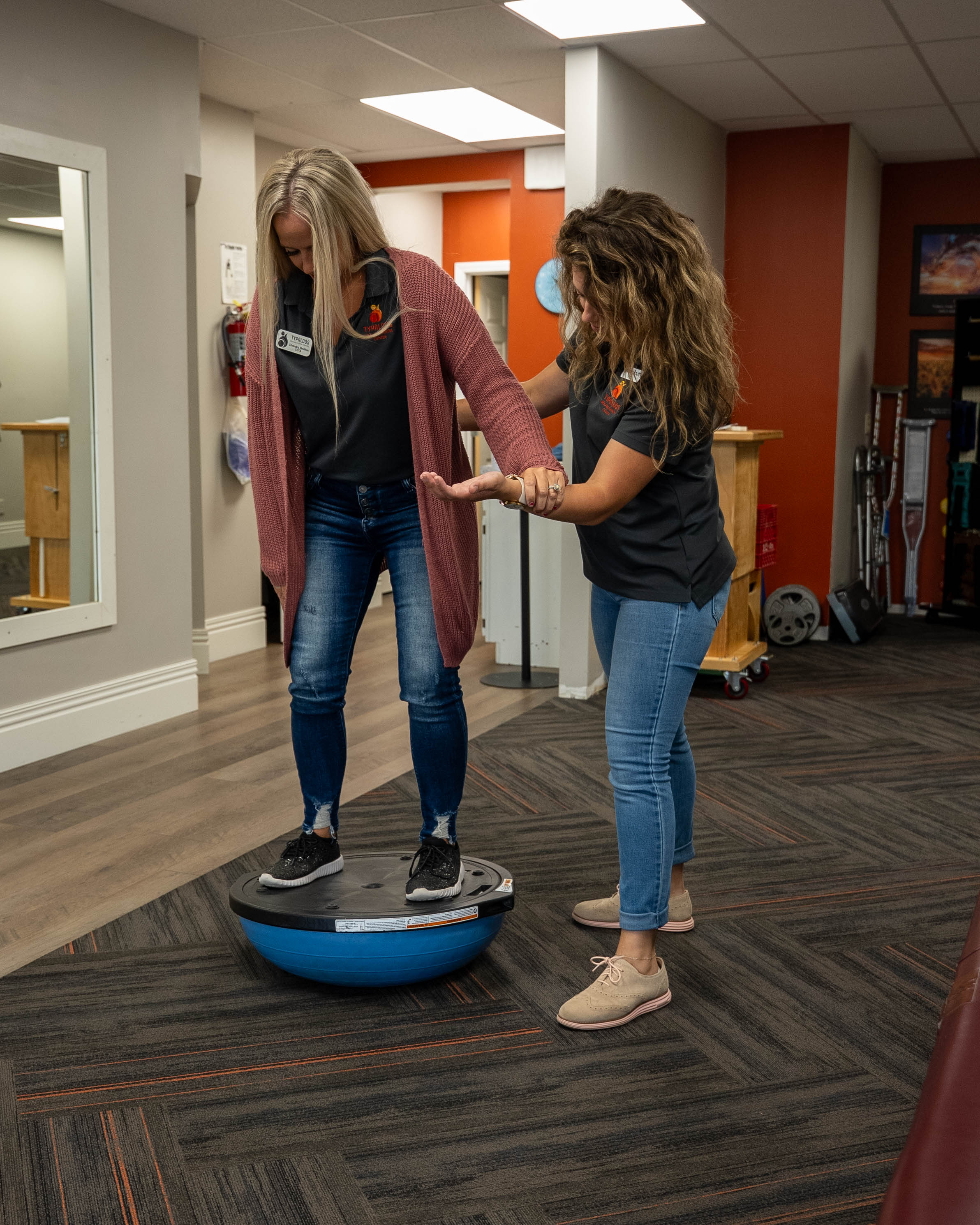
As temperatures drop, many people notice their bodies feeling a little tighter, stiffer, or even achier than usual. It’s not your imagination—cold weather really can affect your muscles and joints. At Typaldos Physical Therapy, we see this every year as patients come in reporting more soreness or reduced mobility during the fall and winter months. Fortunately, with a few smart adjustments and some guided movement, you can keep your body feeling its best all season long.
When the weather turns chilly, your body naturally tries to conserve heat. To do that, blood vessels in your arms and legs constrict, which can reduce blood flow to muscles and joints. Less circulation means less warmth and oxygen, making muscles feel tighter and joints less lubricated.
Additionally, cold temperatures can make muscles contract to generate heat—this tension can increase stiffness, particularly in areas that already have limited mobility like the neck, shoulders, and lower back. For people with arthritis or joint inflammation, these temperature changes can amplify discomfort as synovial fluid (the natural lubricant inside joints) thickens in the cold.
It may be tempting to stay cozy on the couch when it’s cold outside, but inactivity is one of the biggest contributors to winter stiffness. Movement increases circulation, warms up muscles, and keeps joints lubricated. Even light activity—like walking, stretching, or gentle yoga—can make a noticeable difference in how you feel.
Before stepping outside, it’s also important to warm up properly. Try dynamic stretches like arm circles, leg swings, or torso twists for a few minutes before your activity. Warming up signals your muscles to prepare for movement and reduces your risk of strains or sprains.
Incorporating mobility and flexibility exercises into your daily routine helps counteract the effects of colder weather. Focus on areas that tend to tighten most, such as your neck, shoulders, hips, and hamstrings.
A few helpful options include:
Doing these movements consistently, even for just 10 minutes a day, can help you feel looser and more comfortable throughout the season.
If you’re experiencing persistent stiffness or joint pain during the colder months, physical therapy can provide lasting relief. A physical therapist can assess your posture, gait, and muscle balance to pinpoint areas of tension or weakness. From there, they’ll design a personalized program that may include manual therapy, targeted stretching, strengthening exercises, and mobility work—all tailored to keep your joints healthy and pain-free.
Cold weather doesn’t have to mean discomfort. By staying active, stretching regularly, and seeking professional guidance when needed, you can protect your muscles and joints all winter long. The team at Typaldos Physical Therapy is here to help you move comfortably—no matter what the forecast says.


Specializing in Quality Health Care
© 2025 Typaldos Rehabilitation Center. All Rights Reserved.
Typaldos Physical Therapy and Rehabilitation Center does not discriminate on the basis of race, color, national origin, disability, or age.