
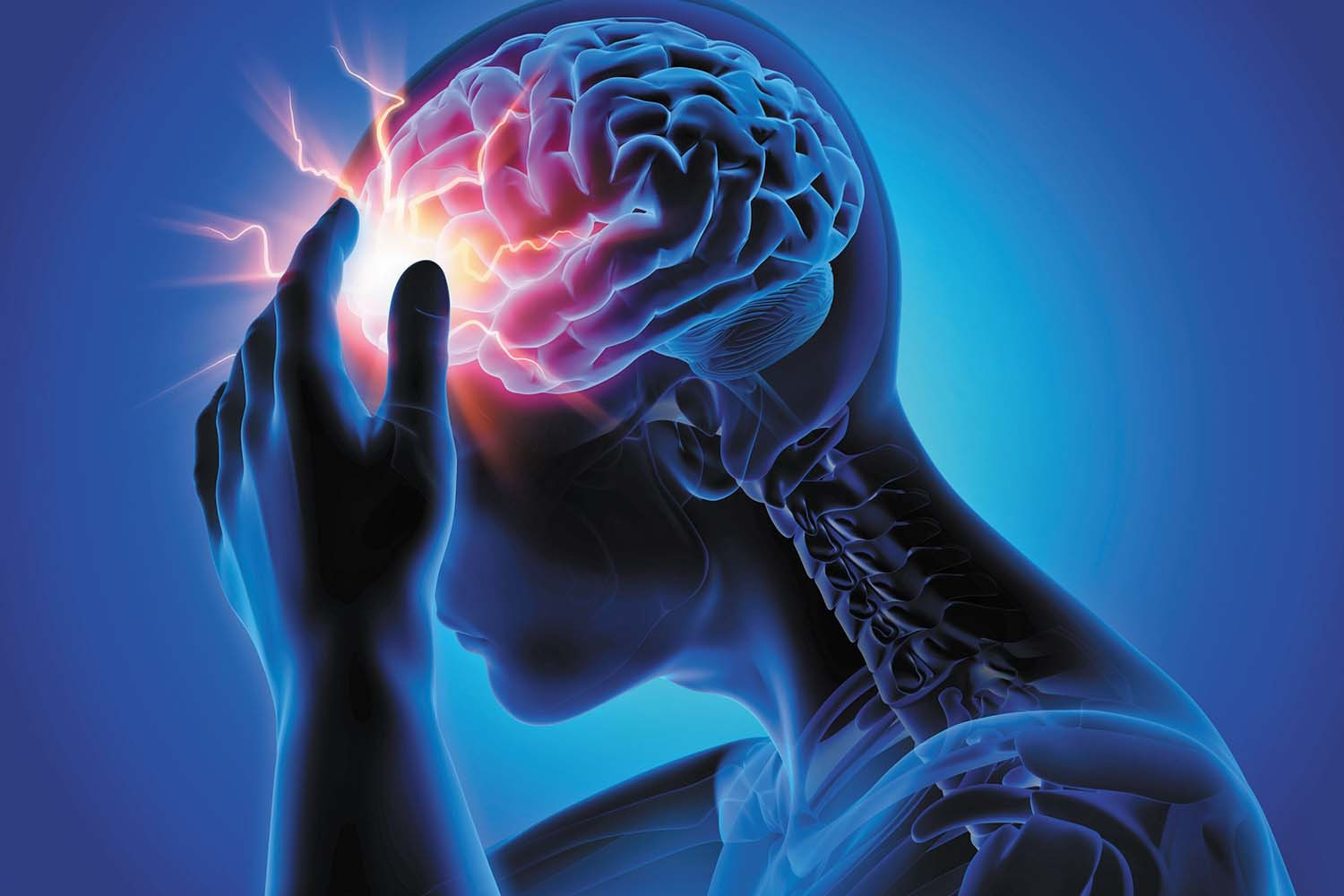
Jaw pain can affect much more than eating. It can make talking uncomfortable, interrupt sleep, limit how wide you can open your mouth, and contribute to tension in the face, temples, neck, or shoulders.
These symptoms may be related to a temporomandibular disorder, commonly called TMD.
The temporomandibular joints sit just in front of the ears and connect the lower jaw to the skull. They move whenever you chew, speak, swallow, or open your mouth. When the joints or surrounding muscles become irritated, everyday activities can become uncomfortable.
For people in Nixa, south Springfield, Ozark, and nearby Southwest Missouri communities, physical therapy may be part of a conservative treatment plan for certain types of TMD.
TMJ stands for temporomandibular joint. Everyone has two, one on each side of the jaw.
TMD refers to a group of disorders affecting the jaw joints, chewing muscles, or related structures.
The National Institute of Dental and Craniofacial Research describes TMDs as a group of more than 30 conditions that can cause jaw pain or problems with movement. Some involve the joint itself, while others are more closely related to the muscles that control the jaw.
That distinction is important because jaw pain does not have one universal cause. Treatment should depend on what is contributing to the symptoms.
TMD can feel different from person to person. Possible symptoms include:
Jaw noises alone do not necessarily mean treatment is needed. Painless clicking or popping is common and can occur without a significant problem.
Pain, locking, restricted movement, or symptoms that interfere with eating, talking, sleeping, or other daily activities deserve more attention.
The jaw does not function by itself.
The muscles used for chewing work near muscles of the face, head, and neck. Jaw movement also occurs alongside cervical movement, posture, breathing, swallowing, and other daily activities.
That can make symptoms difficult to interpret. Someone may focus on headaches without realizing they also clench their jaw. Another person may notice clicking but have more significant muscle tightness or limited movement.
Dental problems, infections, injuries, headaches, and other medical conditions can also cause pain in the jaw, face, or head.
For that reason, self-diagnosis is not always reliable. A physician or dentist may need to evaluate symptoms and rule out other causes before physical therapy becomes part of the treatment plan.
There is no single cause of TMD.
An injury may contribute in some cases. In others, symptoms may develop from a combination of factors.
Jaw clenching can increase the workload on the chewing muscles. Some people clench during sleep, while others tighten their jaw while working, driving, exercising, or concentrating.
Frequent gum chewing, nail biting, or other repetitive habits may also keep the jaw muscles active for long periods.
Stress can influence symptoms by affecting muscle tension, sleep, clenching habits, and a person's response to discomfort. That does not mean the pain is imaginary. It means several physical and behavioral factors may interact.
Because every case is different, an individualized evaluation is more useful than a one-size-fits-all treatment.
Most people think of physical therapy for knees, shoulders, hips, or recovery after surgery. However, the jaw is also part of the musculoskeletal system.
Physical therapists evaluate movement, mobility, muscle function, strength, and patterns that may contribute to pain or limited activity.
For patients referred for TMD care, therapy may examine how the jaw moves, how the surrounding muscles are functioning, and whether the neck or other areas are contributing to symptoms.
The NIDCR includes physical therapy among nonsurgical treatment options for TMD and notes that manual therapy may improve function and reduce pain for some patients.
Physical therapy is not appropriate for every type of jaw pain. It is most useful when a qualified provider determines that musculoskeletal factors may be involved.
A physical therapy evaluation begins with understanding the individual problem.
The therapist may ask when symptoms started, where the pain is located, what makes it better or worse, and whether the problem affects eating, speaking, sleeping, or opening the mouth.
Associated symptoms such as headaches, neck discomfort, or muscle tightness may also be important.
The therapist may observe how the jaw opens and closes, how far it moves comfortably, and whether the movement shifts or feels restricted. Muscles around the jaw, face, head, and neck may be evaluated for tenderness or tension.
Cervical movement and posture may also be considered when relevant.
The goal is to identify factors that rehabilitation may be able to address and build treatment around the patient's specific findings.
Manual therapy may be used for some patients with TMD.
This can include hands-on techniques directed toward muscles and soft tissues around the jaw, neck, or related areas. The goal may be to improve comfortable movement, reduce muscle restriction, or help manage pain.
Treatment should be matched to the individual rather than performed aggressively.
Exercise may also be part of care. Jaw exercises can focus on mobility, coordination, control, or muscle function. Some patients may benefit from neck or upper-body exercises when those areas contribute to the overall movement pattern.
These exercises are often small and controlled rather than strenuous. Precision matters more than intensity.
A therapist may teach a patient to open or close the jaw with better control, work gently on restricted movement, or reduce unnecessary compensation.
Patients should avoid forcing painful jaw exercises they find online without knowing what is causing their symptoms. The right exercise should fit the right problem.
Jaw discomfort and neck symptoms can occur together.
Someone who spends hours looking down at a device may notice both neck stiffness and jaw tension. Another person may clench during stressful computer work. Limited neck movement can also affect how the head and jaw move during daily activities.
This does not mean posture causes every case of TMD, and sitting straighter is not a universal solution.
It does mean the neck may be worth evaluating when symptoms suggest it is involved.
Treatment does not happen only during a therapy appointment.
The jaw is used throughout the day for eating, talking, yawning, and swallowing. Add gum chewing, nail biting, clenching, or repeatedly testing a painful click, and irritated muscles may get little rest.
Some people repeatedly open their mouth to see if the joint still pops. Others chew gum because they think it will loosen the jaw. These habits may continue irritating an already sensitive area.
A therapist or referring provider may recommend temporary changes such as becoming more aware of clenching, reducing repetitive jaw habits, or modifying food choices during a flare.
The goal is usually not to avoid normal movement. It is to reduce unnecessary irritation while comfortable function improves.
Many people notice more jaw tension during stressful periods.
Poor sleep, demanding work, family pressure, or a busy schedule may increase clenching without a person realizing it.
Recognizing those patterns can be useful. Some patients benefit from reminders to relax the jaw during the day, while others may need broader support for sleep, stress, or habitual clenching.
TMD care can involve several disciplines. Dentists, physicians, physical therapists, and behavioral health professionals may all play a role depending on the individual.
Jaw sounds can be concerning because the joint sits so close to the ear.
However, sound alone does not necessarily indicate a serious problem. Painless clicking or popping can occur in people who do not need treatment.
Evaluation becomes more important when clicking is painful, begins after an injury, occurs with locking, or is accompanied by increasing difficulty opening the mouth.
Function and symptoms matter more than whether the joint makes occasional noise.
Persistent or worsening jaw symptoms should be evaluated.
Consider contacting a dentist or medical provider if pain continues, interferes with eating, or makes it difficult to open or close your mouth.
Sudden facial swelling, fever, significant trauma, severe dental pain, difficulty swallowing or breathing, new neurologic symptoms, or other urgent changes should not be treated as a routine physical therapy problem. These symptoms require prompt medical or dental assessment.
For nonurgent TMD symptoms, a provider can help determine whether physical therapy is appropriate.
Conservative care is often considered before treatments that permanently alter the jaw joint, teeth, or bite.
There is no single recovery timeline for TMD.
Physical therapy may include education, manual therapy, targeted exercises, movement retraining, strategies for reducing aggravating habits, and a home program.
Progress may be measured by practical improvements:
Can you open your mouth more comfortably? Is eating easier? Can you talk longer without pain? Are headaches or muscle tension less frequent? Can you get through the workday without constantly noticing your jaw?
Those functional changes may be more meaningful than whether the joint still occasionally clicks.
Typaldos Physical Therapy has served the Nixa and southern Springfield area since 1989 and lists specialized treatment for TMD and jaw pain among its rehabilitation services. The practice also identifies TMD as an area in which it has certified specialists.
The clinic is located near Highway 160 and Highway CC, making it convenient for patients from Nixa, south Springfield, Ozark, and surrounding communities.
For patients referred for TMD physical therapy, treatment can look beyond the painful spot to consider movement, muscle function, daily habits, and the activities the patient wants to perform comfortably again.
If you have ongoing jaw pain, painful clicking, limited movement, headaches associated with jaw symptoms, or other signs that may be related to TMD, talk with your dentist or medical provider about the appropriate next step.
If physical therapy is recommended, working with a therapist experienced in TMD can help identify musculoskeletal factors that may be contributing to your symptoms.
You use your jaw every day. Comfortable movement matters.


Specializing in Quality Health Care
© 2025 Typaldos Rehabilitation Center. All Rights Reserved.
Typaldos Physical Therapy and Rehabilitation Center does not discriminate on the basis of race, color, national origin, disability, or age.