
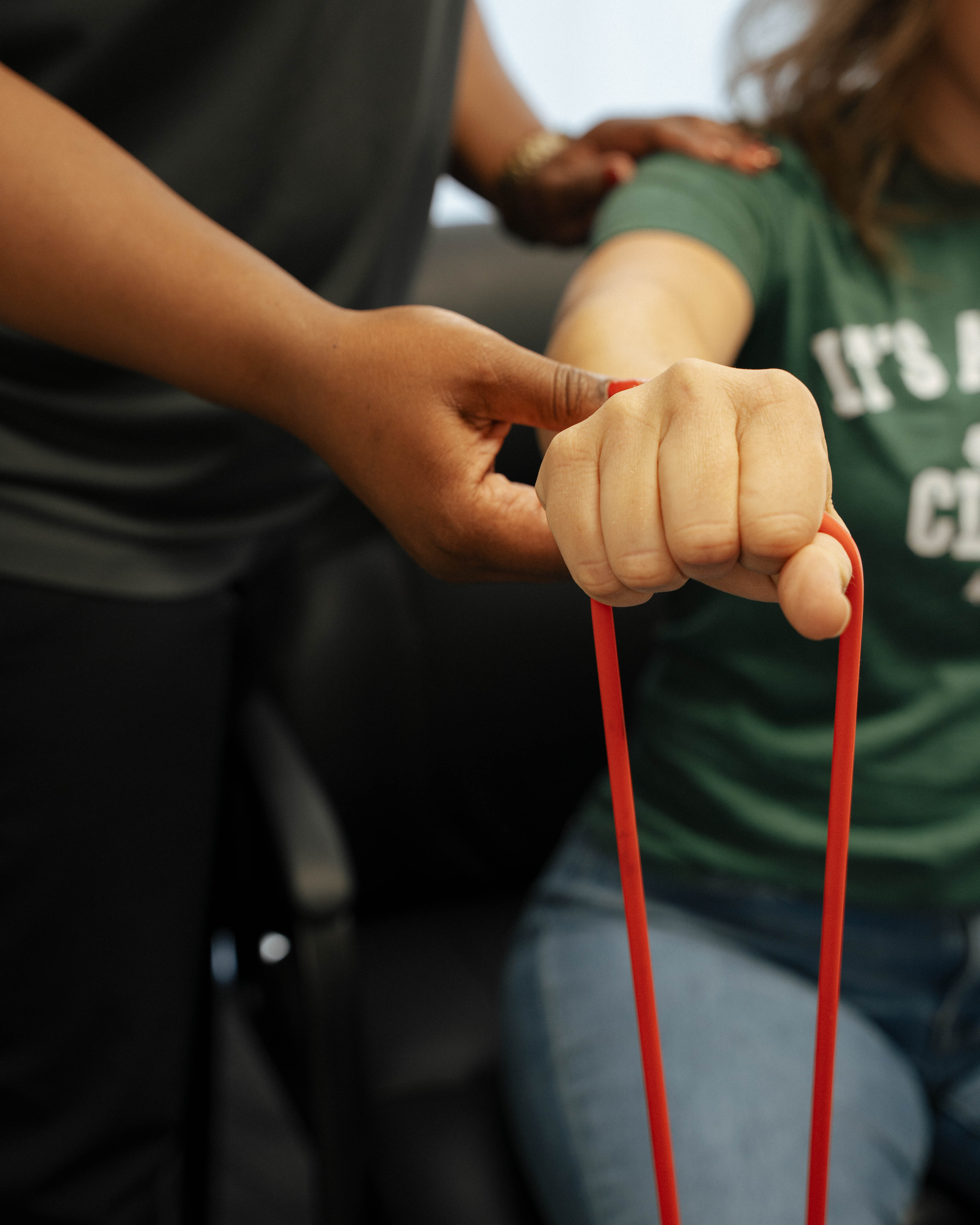
When most people think of physical therapy, they picture recovery after surgery, a sports injury, or a major accident. While physical therapy absolutely plays a critical role in rehabilitation, its benefits go far beyond post-injury care. As a new year begins, physical therapy can be one of the most effective ways to improve how your body moves, feels, and performs—before pain or injury slows you down.
At Typaldos Physical Therapy, we often work with people who aren’t injured at all, but want to move better, feel stronger, and prevent future problems.
January is a natural reset. Many people set goals to be more active, sit less, or take better care of their bodies. Physical therapy helps turn those goals into sustainable habits. Rather than jumping into exercise routines that may cause strain or setbacks, a physical therapist can assess how your body moves and identify imbalances that may be holding you back.
Good movement is about more than working out—it’s about how you sit, stand, lift, walk, and move throughout the day. Small changes in posture, muscle activation, and joint mobility can make a big difference in how your body feels over time.
If you wake up stiff, feel weak in certain areas, or experience recurring aches that never fully go away, physical therapy can help—even if you’ve never been “injured.” These issues often stem from muscle imbalances, limited mobility, or poor movement patterns that develop gradually.
Physical therapy focuses on identifying the root cause of discomfort rather than just treating symptoms. Through targeted exercises, hands-on techniques, and movement education, PT helps restore strength, improve flexibility, and reduce daily discomfort so you can move with confidence again.
One of the most overlooked benefits of physical therapy is injury prevention. Many injuries occur not from sudden accidents, but from repetitive strain, poor mechanics, or overuse. By improving balance, core strength, joint stability, and overall movement efficiency, physical therapy reduces stress on your body during daily activities and exercise.
Preventive PT is especially valuable for people returning to activity after a break, increasing workout intensity, or managing physically demanding jobs or hobbies. Addressing small issues early can help prevent them from turning into bigger problems later.
Physical therapy isn’t limited by age, fitness level, or activity type. It benefits:
Early intervention often leads to faster results, fewer setbacks, and better long-term outcomes.
Physical therapy isn’t just about recovery—it’s about prevention, performance, and quality of life. Starting the year with a focus on better movement can help you feel stronger, move easier, and stay active all year long. If your goal is to move better—not just heal when something goes wrong—physical therapy may be exactly what your body needs.


Specializing in Quality Health Care
© 2025 Typaldos Rehabilitation Center. All Rights Reserved.
Typaldos Physical Therapy and Rehabilitation Center does not discriminate on the basis of race, color, national origin, disability, or age.