
A new year often brings fresh goals—moving more, feeling better, and taking better care of your body. Yet many people start January carrying aches and pains they’ve learned to live with. It’s common to brush off discomfort as “normal,” especially if it’s been around for a while. The truth is, pain is your body’s way of signaling that something isn’t moving or functioning as it should—and it’s worth paying attention to.
At Typaldos Physical Therapy, we see many patients who wish they had addressed their pain sooner. Early care can make a big difference in how quickly and comfortably you return to doing the things you love.
Not all discomfort is a cause for concern. Muscle soreness after exercise—especially when trying something new—is normal and typically fades within a day or two. This type of soreness feels dull, achy, and improves with light movement or stretching.
Pain, on the other hand, tends to stick around or worsen over time. It may feel sharp, burning, or deep, and it often interferes with daily activities. Pain that changes how you move, causes you to avoid certain motions, or keeps returning despite rest is not something to ignore.
Many people wait far too long to seek help because the pain feels manageable or familiar. Some common red flags include:
These signs don’t mean something is “seriously wrong,” but they do suggest your body could benefit from professional guidance.
One of the biggest misconceptions about physical therapy is that it’s only for severe injuries. In reality, early intervention often leads to faster recovery and better outcomes. Addressing pain early helps prevent compensations—when your body changes the way it moves to avoid discomfort, often creating new problems elsewhere.
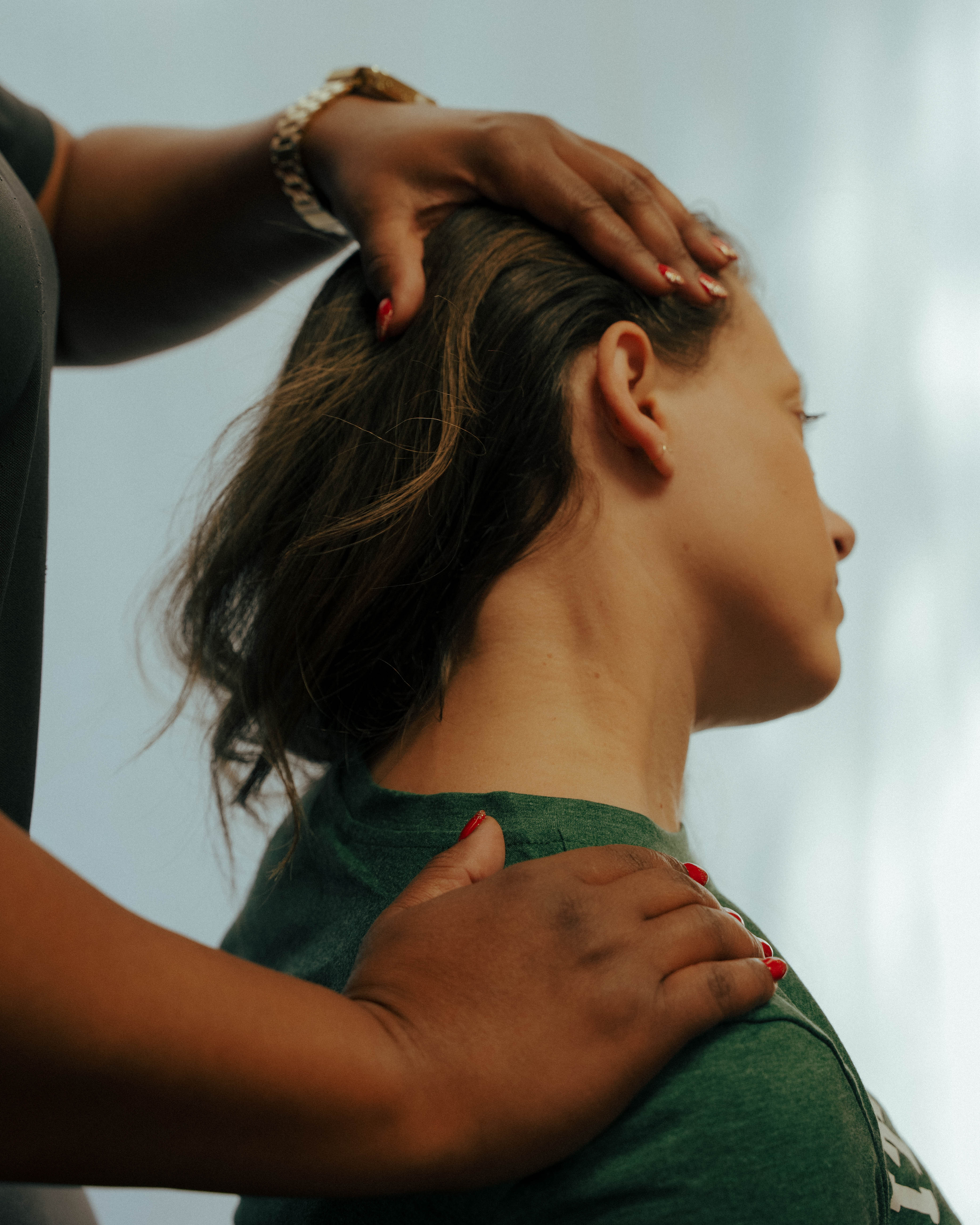
Physical therapy focuses on identifying the root cause of pain, not just masking symptoms. Through movement analysis, strength and mobility work, and hands-on care, PT helps restore proper movement patterns so your body can heal and function more efficiently.
Seeking physical therapy doesn’t mean something is wrong with you—it means you’re being proactive about your health. Pain doesn’t have to reach an unbearable level before you ask for help. In fact, the sooner you address it, the easier it often is to resolve.
The new year is a great time to stop normalizing pain and start prioritizing how your body feels and moves. Whether discomfort is new or something you’ve been managing for months, physical therapy can help you move forward with confidence, clarity, and less pain—so you can focus on living your life, not working around discomfort.


Specializing in Quality Health Care
© 2025 Typaldos Rehabilitation Center. All Rights Reserved.
Typaldos Physical Therapy and Rehabilitation Center does not discriminate on the basis of race, color, national origin, disability, or age.