
Spring cleaning often leads to preventable back, shoulder, and knee pain due to lifting, twisting, and repetitive strain especially after a less active winter.
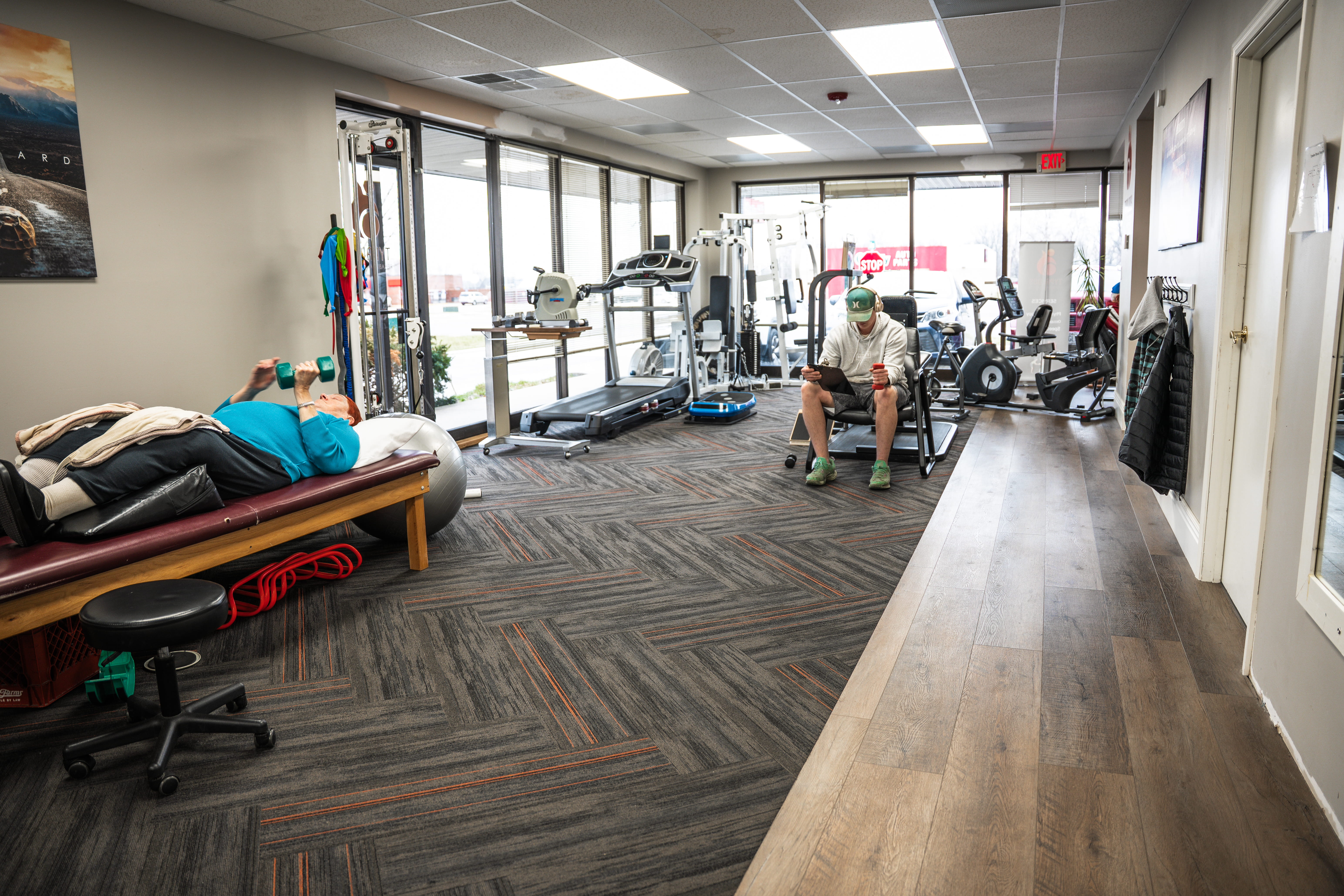
Spring in Nixa brings sunshine, fresh air, and the undeniable urge to open the windows and deep clean the house. Closets get emptied. Garages get reorganized. Furniture gets moved. Mulch gets spread.
And unfortunately, backs get strained.
Every year, physical therapy clinics see a noticeable increase in patients dealing with back pain, shoulder irritation, and knee flare-ups after an ambitious weekend of spring cleaning. The good news? Most of these injuries are preventable with a little preparation and awareness.
If you’re planning to tackle your spring to-do list, here’s how to protect your body so you can enjoy the season without spending it recovering.
Spring cleaning combines several high-risk movements:
Most homeowners aren’t conditioned for that kind of repetitive strain. After a winter of reduced activity, your muscles and joints may not be ready for sudden physical demand.
Let’s break down the most common problem areas.
One of the biggest culprits behind spring cleaning injuries is the combination of bending forward, lifting something heavy, and twisting at the same time.
This movement puts enormous stress on your lumbar spine (lower back), especially the discs between your vertebrae. When you twist under load, you create shear forces that your spine simply isn’t designed to tolerate repeatedly.
Common scenario:
You’re lifting a storage bin from the floor and turning to place it on a shelf. It doesn’t feel heavy, until you feel that sudden “pull” in your lower back.
That’s often a muscle strain, but it can also irritate spinal joints or discs.
Your spine likes stability. It doesn’t like rotation under load.
Dusting ceiling fans. Washing windows. Cleaning tall cabinets.
Overhead work may seem harmless, but it places significant strain on your shoulder joint, especially if repeated for long periods.
Your shoulder is one of the most mobile joints in your body, which also makes it one of the least stable.
When you repeatedly lift your arms overhead:
If you already have mild shoulder stiffness, overhead cleaning can turn it into sharp pain quickly.
Baseboards. Bathtubs. Floors. Gardens.
Spring cleaning often means extended kneeling or deep squatting. If you have underlying knee sensitivity, this can quickly flare up inflammation around the kneecap or inside the joint.
Common causes:
Even healthy knees don’t love staying bent under load for long durations.
The key principle: Use your hips, not your back.
If you need to turn, move your whole body. Never rotate your spine while holding weight.
Before diving into a day of physical work, warm your body up like you would before a workout.
Here’s a quick routine homeowners in Nixa can do before starting:
Improves spinal mobility and reduces stiffness.
Practice proper bending mechanics before lifting.
Prepares shoulders for overhead work.
Warms up hips, knees, and ankles.
Loosens torso, but without load.
This entire sequence takes less than five minutes and dramatically reduces strain risk.
Beyond proper lifting, strategy matters.
Instead of 6 straight hours:
Rotate between:
This prevents overloading one area.
Small adjustments make a big difference.
After a long cleaning session, mild soreness is normal.
If symptoms aren’t improving, or are worsening, it’s time to consult a physical therapist.
Early intervention often prevents weeks (or months) of discomfort.
Many people in Nixa try to “wait it out.” Sometimes that works. Often, it doesn’t.
When minor strains are ignored:
Physical therapy helps:
And most importantly — it keeps you active.
You deserve to enjoy:
Not spend the season nursing a preventable injury.
A little preparation, smart movement, and awareness go a long way.
If spring cleaning left you sore in a way that doesn’t feel right, Typlados Physical Therapy is here to help you move confidently and comfortably again.
Don’t let back pain steal your spring.


Specializing in Quality Health Care
© 2025 Typaldos Rehabilitation Center. All Rights Reserved.
Typaldos Physical Therapy and Rehabilitation Center does not discriminate on the basis of race, color, national origin, disability, or age.