December 16, 2025
Why Cold Weather Can Make Old Injuries Flare Up—and What to Do About It
When temperatures drop, old injuries often start to ache again due to reduced circulation, thicker joint fluid, and changes in barometric pressure. These factors can cause stiffness, inflammation, and discomfort—especially in areas that were previously injured. To prevent flare-ups, it’s important to warm up before activity, stay active, and keep muscles flexible. Typaldos Physical Therapy can help by creating personalized treatment plans that improve strength, mobility, and comfort throughout the cold winter months.
If you’ve ever felt that old knee injury ache a little more once the temperatures drop, you’re not imagining it. Many people notice that past injuries—whether it’s a sprained ankle, a shoulder strain, or joint pain—seem to return during the colder months. While the cold itself doesn’t cause new damage, it does affect your body in ways that can make old pain feel worse. Understanding why this happens—and what you can do about it—can help you stay comfortable and active all winter long.
The Science Behind Cold-Weather Pain
When temperatures fall, blood vessels constrict to preserve heat and protect your core organs. While that’s great for maintaining body temperature, it also means reduced circulation to your muscles, joints, and extremities. Less blood flow means less oxygen and fewer nutrients reaching those areas, which can lead to stiffness, tightness, and discomfort—especially around previously injured tissues.
Cold weather can also affect the synovial fluid that lubricates your joints, making it thicker and less efficient at cushioning movement. For anyone with arthritis or an old joint injury, that stiffness can make everyday motions—like getting out of bed or walking up stairs—feel harder than usual.
Inflammation and Weather Changes
Another factor at play is barometric pressure, which often drops before cold or damp weather sets in. Lower pressure can cause tissues in your body to expand slightly, increasing pressure on nerves and inflamed areas. This is why some people can “predict” the weather based on how their joints feel—it’s not superstition, it’s science.
Additionally, when it’s cold, people naturally move less. Reduced activity can weaken supporting muscles, limit flexibility, and increase inflammation, all of which can aggravate old injuries.
How to Warm Up and Protect Your Body
One of the best ways to fight cold-weather pain is through movement and preparation. Before any physical activity—whether that’s exercising, shoveling snow, or even walking the dog—take 5–10 minutes to gently warm up your body.
Try:
- Dynamic stretches like leg swings or arm circles to increase circulation.
- Light cardio such as walking in place or climbing stairs to raise your core temperature.
- Layered clothing, which helps your muscles stay warm and flexible throughout activity.
Afterward, cool down with gentle stretching to prevent stiffness and encourage proper blood flow.
How Physical Therapy Can Help
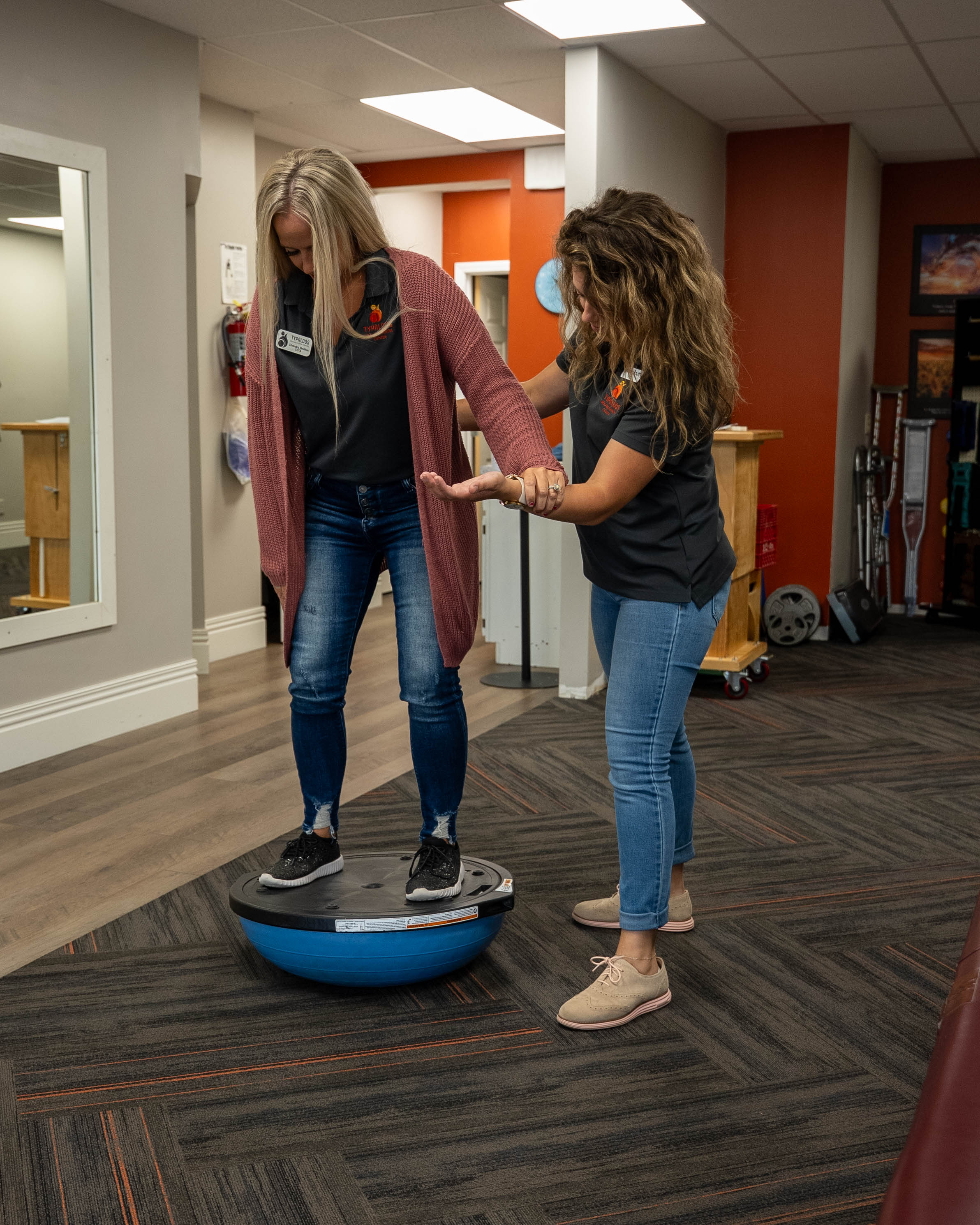
If your old injury keeps flaring up despite your best efforts, physical therapy can make a big difference. At Typaldos Physical Therapy, our team helps identify the root cause of your discomfort—whether it’s weakness, poor flexibility, or postural issues—and designs a personalized plan to manage it. Treatments may include manual therapy, targeted exercises, and education on proper body mechanics to prevent further strain.
Don’t Let the Cold Hold You Back
Winter doesn’t have to mean living with pain or stiffness. With the right care, warm-up habits, and physical therapy support, you can keep your body moving comfortably through the cold months.
At Typaldos Physical Therapy, we’re here to help you move better, heal stronger, and feel your best—no matter the season.