
Workout plateaus and pain are often caused by poor movement patterns, not lack of effort.
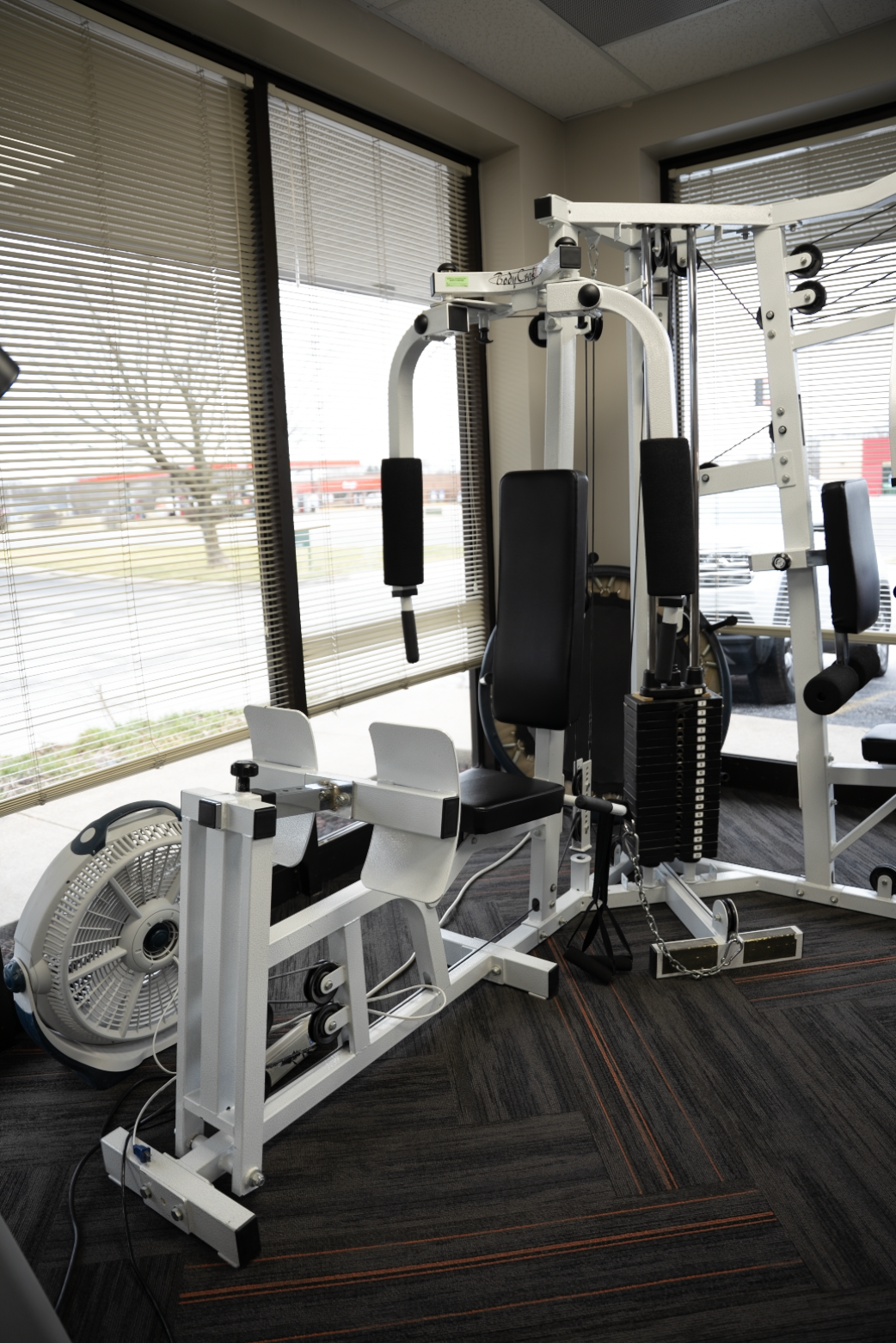
You are putting in the time. You are showing up to the gym, staying consistent, and trying to do the right things. But something feels off.
Maybe your progress has stalled. Maybe certain exercises feel uncomfortable. Or maybe you are dealing with nagging pain that keeps coming back no matter how much you rest.
This is one of the most common frustrations we hear at Typaldos Physical Therapy in Springfield, Missouri.
The issue is not always how hard you are working. In many cases, it is how you are moving.
Small movement errors can go unnoticed for weeks, months, or even years. Over time, those patterns become habits. And those habits can limit your results and increase your risk of injury.
The goal is not just to work harder. It is to move better.
The human body is incredibly adaptable. When you repeat the same movements over time, your body becomes efficient at them.
That sounds like a good thing, but there is a catch.
If your movement patterns are slightly off, your body adapts to those flaws as well. Instead of correcting the issue, it reinforces it.
For example, if you rely too much on your lower back during lifts, your body will continue to use it as the primary driver. Over time, this can lead to strain and discomfort.
Muscle imbalances also play a role. If certain muscles are weak or underactive, others will compensate. This can create uneven stress across joints and tissues.
Eventually, your progress slows down. You may feel like you are working harder but seeing fewer results.
In many cases, this is not a strength issue. It is a movement quality issue.
These are some of the most common patterns we see in active adults and gym-goers at Typaldos Physical Therapy.
The squat is one of the most fundamental movements, but it is also one of the most commonly performed incorrectly.
Common issues include:
These patterns often stem from limited hip mobility, weak glutes, or poor ankle mobility.
When the squat is off, stress shifts away from the hips and into the knees and lower back.
Over time, this can lead to discomfort and reduced performance.
Lunges require stability, balance, and coordination. Without proper control, they can quickly become a source of strain.
Common mistakes include:
These issues often point to weak hip stabilizers and poor balance.
When control is lacking, the knee joint absorbs more stress than it should.
Exercises like deadlifts and kettlebell swings rely heavily on proper hip mechanics.
A common mistake is initiating the movement from the lower back instead of the hips.
This often happens when:
Over time, this pattern can lead to lower back tightness or pain.
Overhead exercises require a combination of shoulder mobility and stability.
When mobility is limited, the body compensates by arching the lower back or shrugging the shoulders.
This can place unnecessary stress on the shoulder joint and surrounding tissues.
Common signs include:
The core plays a central role in stabilizing the body during movement.
When core engagement is lacking, other areas are forced to compensate.
This can show up as:
A weak or underactive core can affect nearly every movement you perform.
In most cases, injuries do not come from a single bad workout.
They develop over time.
When a movement pattern is slightly off, the body distributes force unevenly. Certain muscles and joints take on more load than they are designed to handle.
At first, this may feel like minor discomfort or tightness.
But as the pattern continues, that stress accumulates.
Tendons can become irritated. Muscles can become overworked. Joints can lose their ability to move efficiently.
Eventually, what started as a small issue becomes something that limits your ability to train.
This is why early correction is so important. Addressing movement quality before pain becomes severe can prevent long-term setbacks.
At Typaldos Physical Therapy, we take a different approach than simply treating symptoms.
We look at how your body moves as a whole.
This starts with a detailed assessment of your movement patterns. We evaluate how you squat, hinge, lunge, and perform other functional movements.
We also assess mobility, strength, and coordination to identify underlying limitations.
From there, we create a plan tailored to your specific needs.
This often includes:
We also provide guidance on how to modify your workouts so you can continue training safely while improving your movement.
The goal is not just to get you out of pain. It is to help you move more efficiently and perform at a higher level.
If your workouts are not delivering the results you expect, or if you are dealing with recurring discomfort, it may be time to look beyond your routine.
Movement quality matters.
Small errors can have a big impact over time, but they are also highly correctable with the right approach.
By improving how you move, you can reduce pain, increase performance, and get more out of the effort you are already putting in.
At Typaldos Physical Therapy in Springfield, Missouri, we help individuals identify and correct these patterns so they can train with confidence and consistency.


Specializing in Quality Health Care
© 2025 Typaldos Rehabilitation Center. All Rights Reserved.
Typaldos Physical Therapy and Rehabilitation Center does not discriminate on the basis of race, color, national origin, disability, or age.